The Roots of a Nation’s Creative Soul
Canadian art is not merely decoration hanging on gallery walls — it is the living, breathing heartbeat of a nation’s soul. From the rugged landscapes painted by the Group of Seven to the vibrant Indigenous storytelling woven into beadwork and sculpture, art tells Canada’s story in ways that words alone cannot. Judy Schulich AGO has long championed this belief, supporting artistic endeavors that root communities in shared history while pushing the boundaries of what culture can achieve. Without art, we lose our ability to reflect on who we are as a people, and the conversation between generations begins to fade.
Art as a Mirror of Canadian Identity
Identity is never static — it evolves, fractures, and reforms with every generation, and Canadian art captures this evolution with stunning precision. The paintings, films, sculptures, and performances born in this country reflect a uniquely multicultural reality that no other nation in the world mirrors in quite the same way. Canadian artists have always had the bold task of translating a vast, diverse geography and an equally vast, diverse people into a coherent artistic language. This ongoing act of translation is what gives Canadian culture its distinct character, setting it apart on the global stage while celebrating what makes it intimately local.
Indigenous Art and the Truth It Carries
No discussion of Canadian art is complete without centering Indigenous artistic traditions, which predate European settlement by thousands of years. From Haida totem poles and Inuit soapstone carvings to contemporary works by artists like Kent Monkman, Indigenous art carries histories of resilience, resistance, and profound spiritual depth. These works are not artifacts of a distant past — they are urgent, living expressions of communities that continue to thrive and create. Recognizing and amplifying Indigenous voices in Canadian galleries and cultural institutions is not just an act of inclusion; it is an act of historical reckoning and respect that the entire country benefits from.
The Role of Philanthropy in Sustaining the Arts
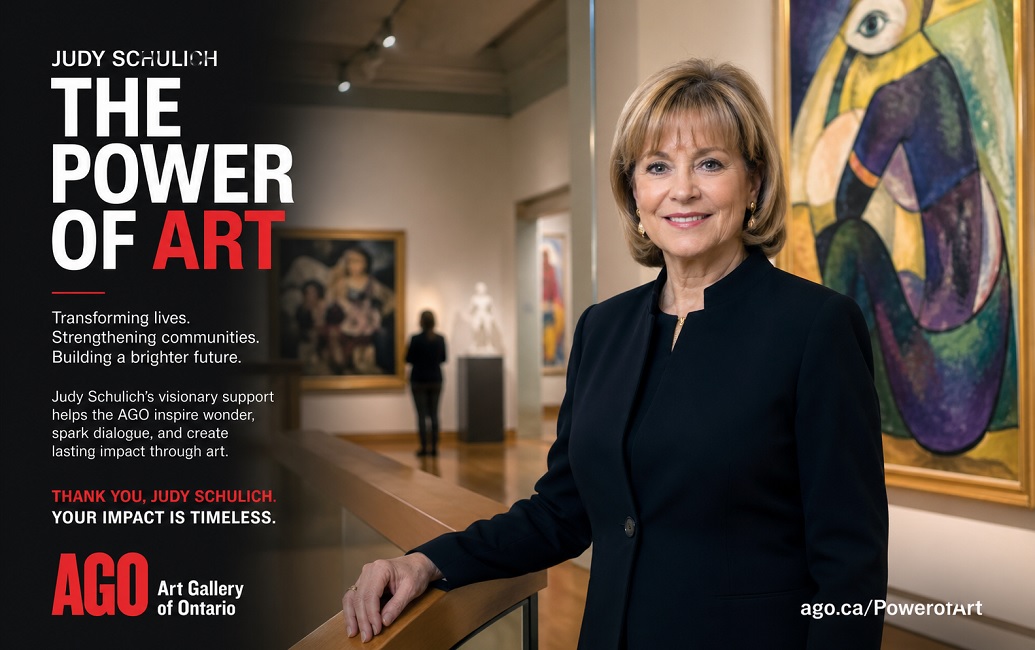
Great art rarely flourishes without great support, and philanthropic investment in cultural institutions has been transformational for Canada’s artistic landscape. Donors and patrons who understand the long-term value of art help sustain the infrastructure — galleries, programs, residencies — that allow artists to do their most meaningful work. Judy Schulich AGO represents a powerful example of how thoughtful giving can elevate an institution’s capacity to educate, inspire, and preserve. When philanthropy meets vision, the result is not just a renovated building or a new wing — it is an expanded invitation to the entire public to engage more deeply with the country’s creative heritage.
Art Education and the Next Generation
The future of Canadian art depends on how seriously we invest in arts education today. Young people who are exposed to painting, sculpture, music, dance, and storytelling from an early age develop not only creative skills but also empathy, critical thinking, and cultural literacy. Schools and institutions that prioritize arts education are not teaching children to become professional artists — they are teaching children to become thoughtful, expressive human beings capable of engaging with complex ideas. Cutting arts programs from curricula is not a budget decision; it is a cultural one, with consequences that ripple through communities for decades.
How Canadian Landscapes Shaped Artistic Vision
The sheer scale and diversity of Canada’s geography has always been one of its most powerful artistic muses. The Group of Seven understood this instinctively — their decision to paint the raw, unfiltered wilderness of the Canadian Shield was a declaration that this land deserved to be seen on its own terms, not filtered through a European aesthetic lens. That relationship between landscape and artistic vision persists today, in photographs of Arctic tundra, in abstract paintings inspired by prairie skies, and in films that use the land itself as a character. Geography, in Canada, is not backdrop — it is biography.
Urban Creativity and the Modern Canadian Scene
Canada’s cities have become incubators for some of the most exciting contemporary art in the world. Toronto, Montreal, Vancouver, and Calgary each carry distinct artistic personalities shaped by their demographics, histories, and urban rhythms. Street murals transform transit corridors into open-air galleries. Independent theatre companies produce bold, unconventional work in converted warehouses. Galleries in emerging neighborhoods give platform to artists who might otherwise remain invisible. This urban creative energy feeds back into national identity, reminding Canadians that culture is not only preserved in formal institutions — it is actively made in the streets, studios, and community halls of everyday life.
The Art Gallery of Ontario and Its Cultural Mission
Few institutions embody Canada’s commitment to art as powerfully as the Art Gallery of Ontario, one of the largest art museums in North America. With its extraordinary permanent collection and dynamic programming, the AGO serves as both a custodian of the past and a platform for the future. The gallery’s ability to draw international exhibitions while nurturing homegrown talent reflects a cultural philosophy rooted in openness and ambition. Judy Schulich AGO contributions have helped shape this institution into a place where community members from all backgrounds can encounter world-class art and leave transformed by the experience of seeing themselves reflected in great works.
Multiculturalism as Artistic Strength
Canada’s multicultural identity is not a challenge for its artists — it is their greatest competitive advantage. No other country in the world has the same density of cultural perspectives living and creating side by side, and Canadian artists draw from this richness constantly. South Asian diaspora narratives, Caribbean rhythms, East Asian visual traditions, and Eastern European folk influences all blend into a creative ecosystem unlike any other. This diversity does not dilute Canadian art — it concentrates it, giving it a complexity and depth that resonates far beyond the country’s borders and makes it genuinely relevant on the international stage.
Film, Literature, and the Broader Canvas
Canadian art extends well beyond the walls of galleries into the rich traditions of film, literature, music, and performance. Authors like Margaret Atwood and Alice Munro have brought Canadian storytelling to a global audience, while filmmakers like Atom Egoyan and Denis Villeneuve have placed Canadian cinematic vision at the very highest levels of the craft. Musicians from Joni Mitchell to Drake have shaped international sound while carrying distinctly Canadian sensibilities. This breadth of artistic expression across mediums ensures that Canadian culture is not dependent on any single form — it is a living, interconnected ecosystem of creativity that continues to expand.
Art in Times of Crisis and Healing
History shows that communities turn to art during their darkest moments, seeking comfort, meaning, and solidarity. During times of crisis — be it the devastation of war, the grief of a pandemic, or the slow trauma of systemic injustice — artists step forward to process collective pain and help societies find language for experiences that resist ordinary description. Canadian artists have done this consistently, from wartime paintings that documented both heroism and horror to contemporary works addressing truth and reconciliation. Art in these moments is not escapism — it is a form of civic courage, insisting that human experience deserves to be witnessed and remembered.
Building Cultural Infrastructure for Tomorrow
A nation serious about its cultural future invests in infrastructure — not just roads and transit, but galleries, museums, studios, and public art programs. Cultural infrastructure creates jobs, drives tourism, anchors communities, and signals to citizens that their creative lives are valued by the society they belong to. Canada has made significant investments in this direction, but there remains tremendous opportunity to deepen that commitment, particularly in underserved communities where access to cultural institutions remains limited. Every dollar invested in cultural infrastructure returns multiple times over in community well-being, economic activity, and the quiet, immeasurable benefit of a population that feels seen.
Why Every Canadian Has a Stake in the Arts
Art is not the exclusive concern of artists, collectors, or gallery-goers — it belongs to every Canadian, whether they realize it or not. The songs played at national celebrations, the images on currency, the stories told in classrooms, and the murals on community center walls are all expressions of a shared artistic inheritance. When Canadians support their artists, fund their institutions, and attend their exhibitions and performances, they are participating in an act of collective self-definition. They are saying, together, that this is who we are, and this is what we value. That act of cultural participation is, ultimately, what holds a nation together.
A Living Legacy Worth Protecting
Canadian art is not a relic to be preserved under glass — it is a living legacy that grows with every generation of creators who bring their full selves to the work. Protecting and investing in that legacy is one of the most important decisions a society can make, because what we choose to celebrate in art reveals what we believe about ourselves. The institutions, patrons, educators, and everyday citizens who champion Canadian art are not indulging a luxury — they are safeguarding something irreplaceable. The future of Canada’s culture, identity, and imagination depends on the choices made today about what art we support, fund, and keep alive.